
- Details
- Hits: 283
Welcome to the Yarpole Parish website - get information on events, facilities within the Parish, social groups, Yarpole Community Shop, The Bell at Yarpole, volunteering opportunities, the Parish Council, the PCC and more.
Yarpole
Gallery Café - Monday- Thursday 10.30-12.30; Friday 10.30-2.00 with lunches 12-2.00; Saturday 10.30-12.30 for brunch
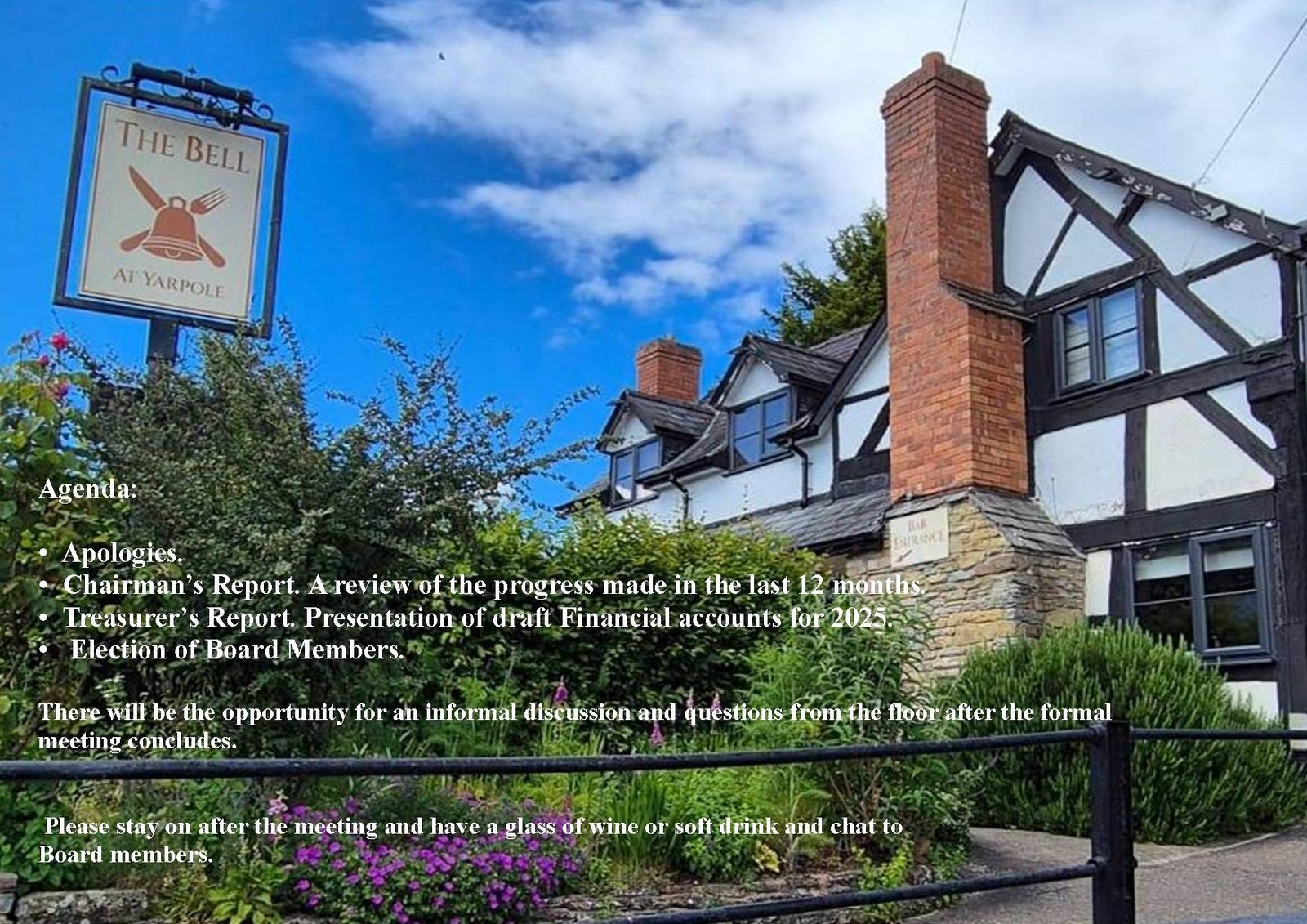
MCBS Special Members Meeting - Thursday, 15th October. 7.00pm. Yarpole Parish Hall. View agenda here.
Churchyard Clearing - Saturday, 17th October. St Leonard's Church from 2pm.
Harvest Festival - Sunday October 18th, 3.00pm, St Leonard's Church - All welcome!
If you are organising an event and you'd like it to appear on the website calendar and in the regular 'what's on' email, Facebook and in The Parishioner, please use the on-line form.
If you would like to receive regular emails about forthcoming events email -
Welcome to Yarpole, nestling in rolling countryside in North Herefordshire, mid way between the market towns of Ludlow and Leominster.
Yarpole is a parish of approximately 700 people and comprises the villages of Yarpole, Bircher and Lucton and the communities on Bircher Common and Bicton. The Parish of Yarpole is unusual in that there are two working parish churches. St Leonard's situated in the village of Yarpole and St Michael and All Angels Church situated next to Croft Castle, a National Trust property. Many visitors assume that the church is managed by the National Trust as it is part of a visit to the estate. The National Trust does not contribute to the running costs of St Michael and All Angels church.
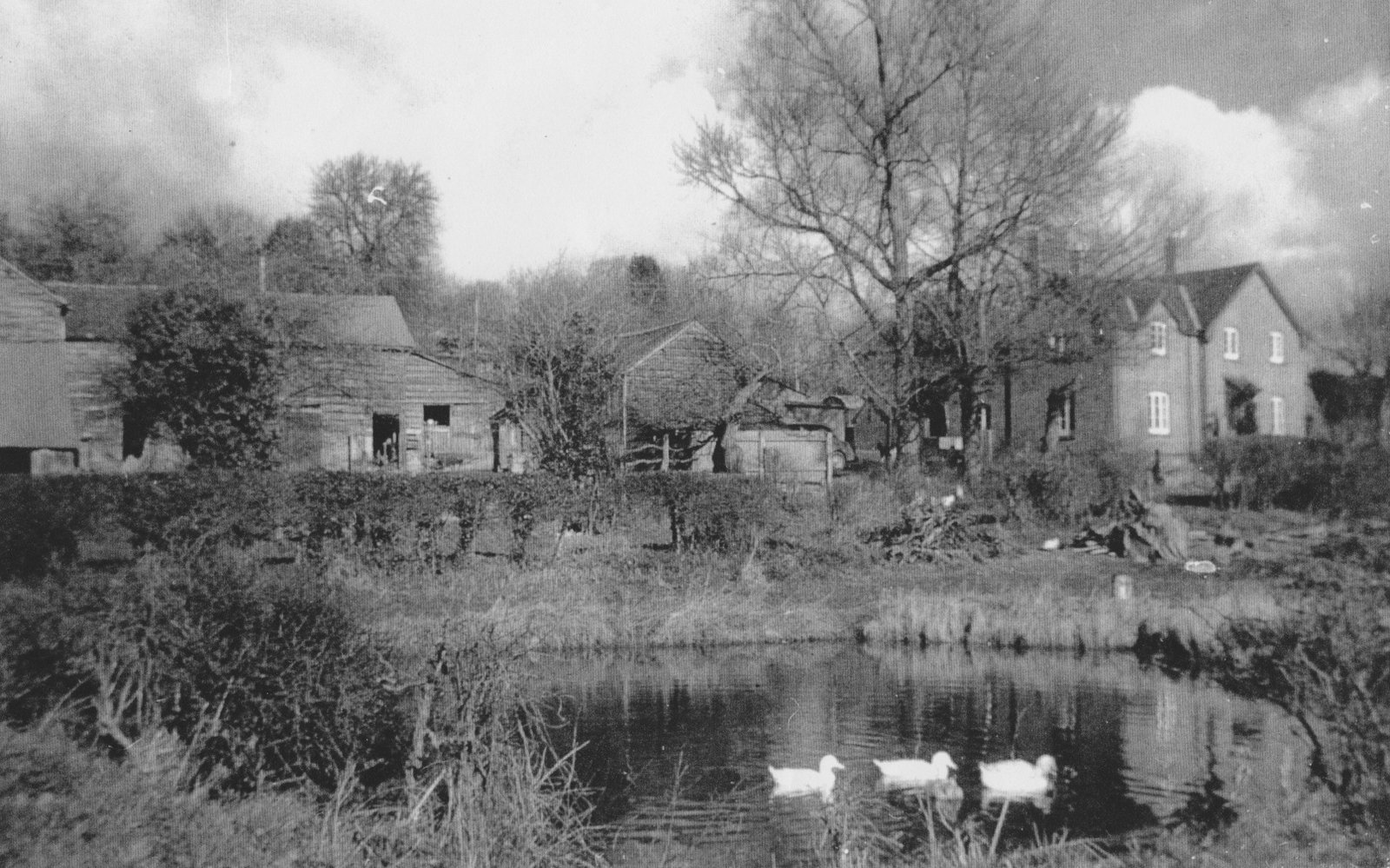
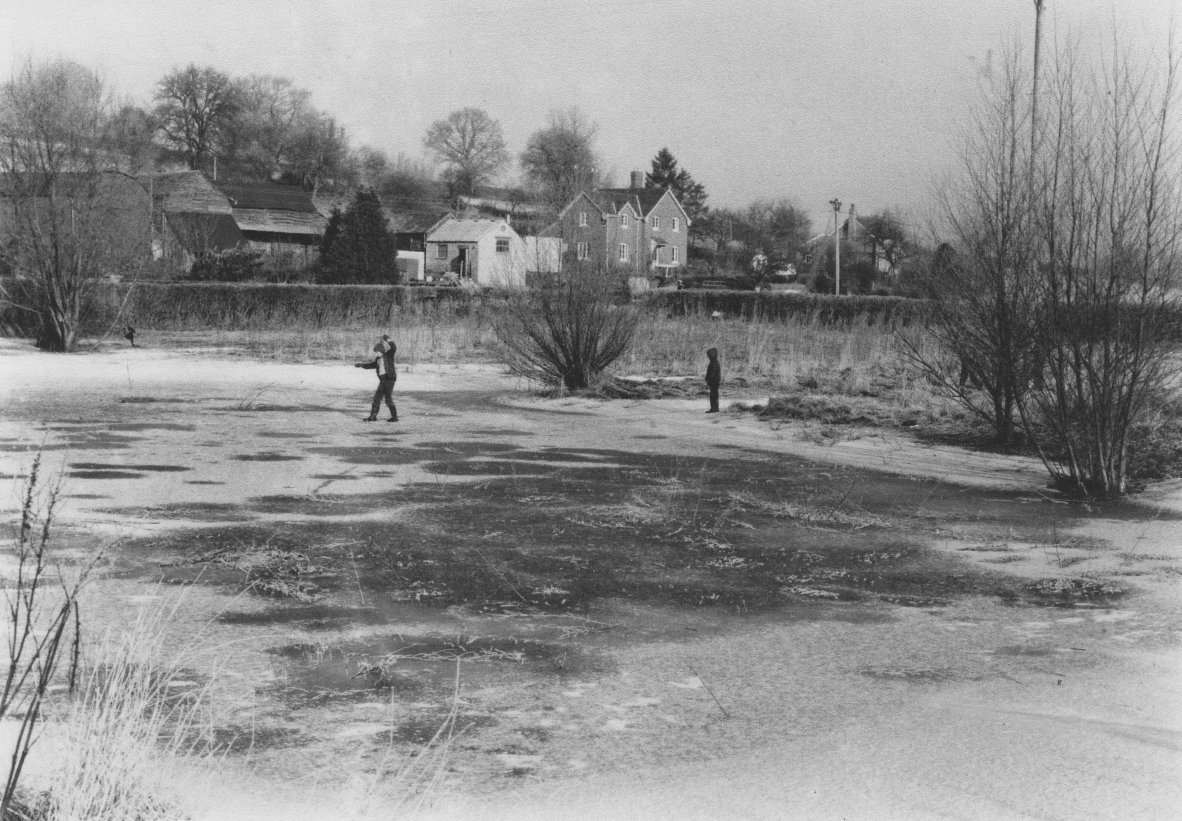
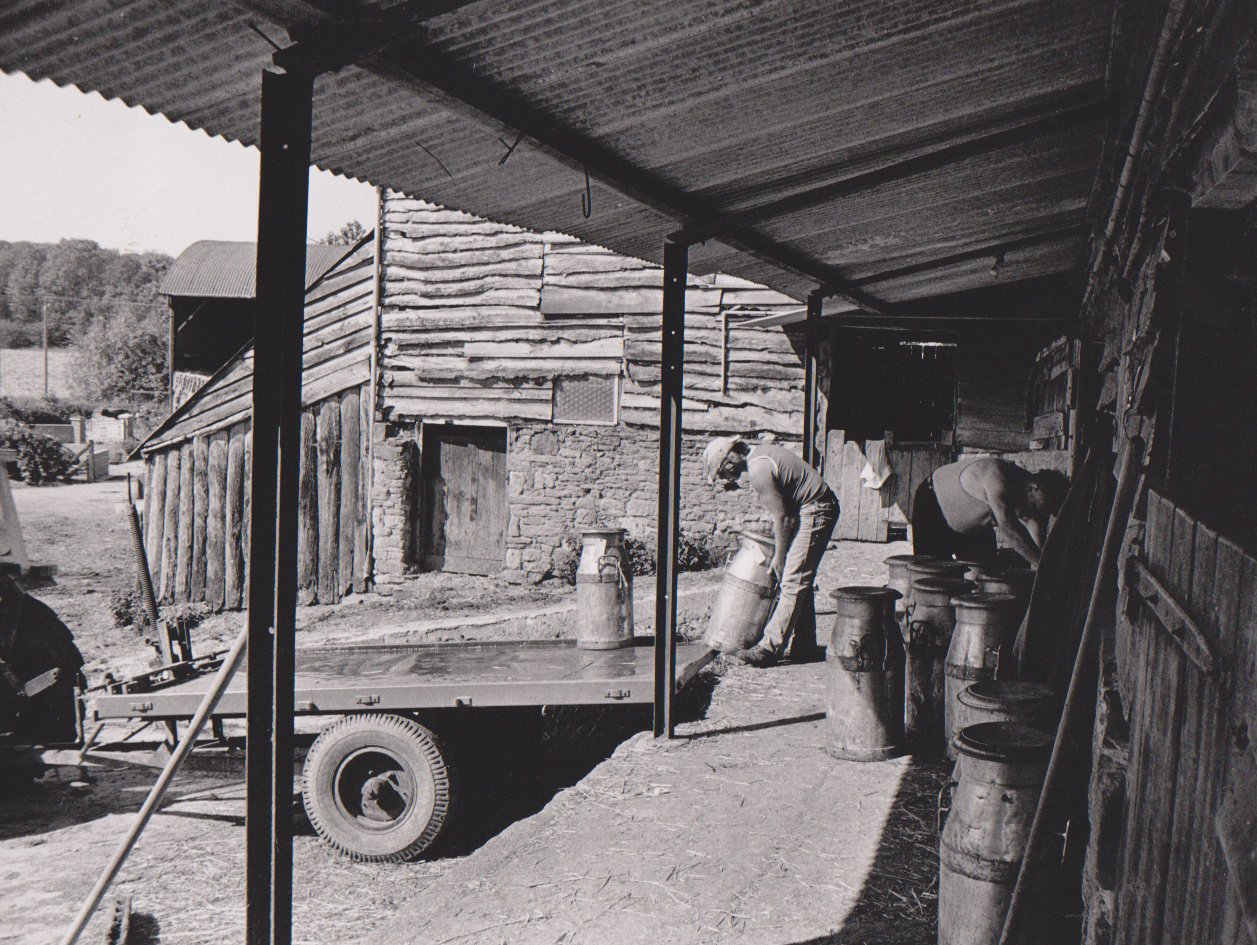
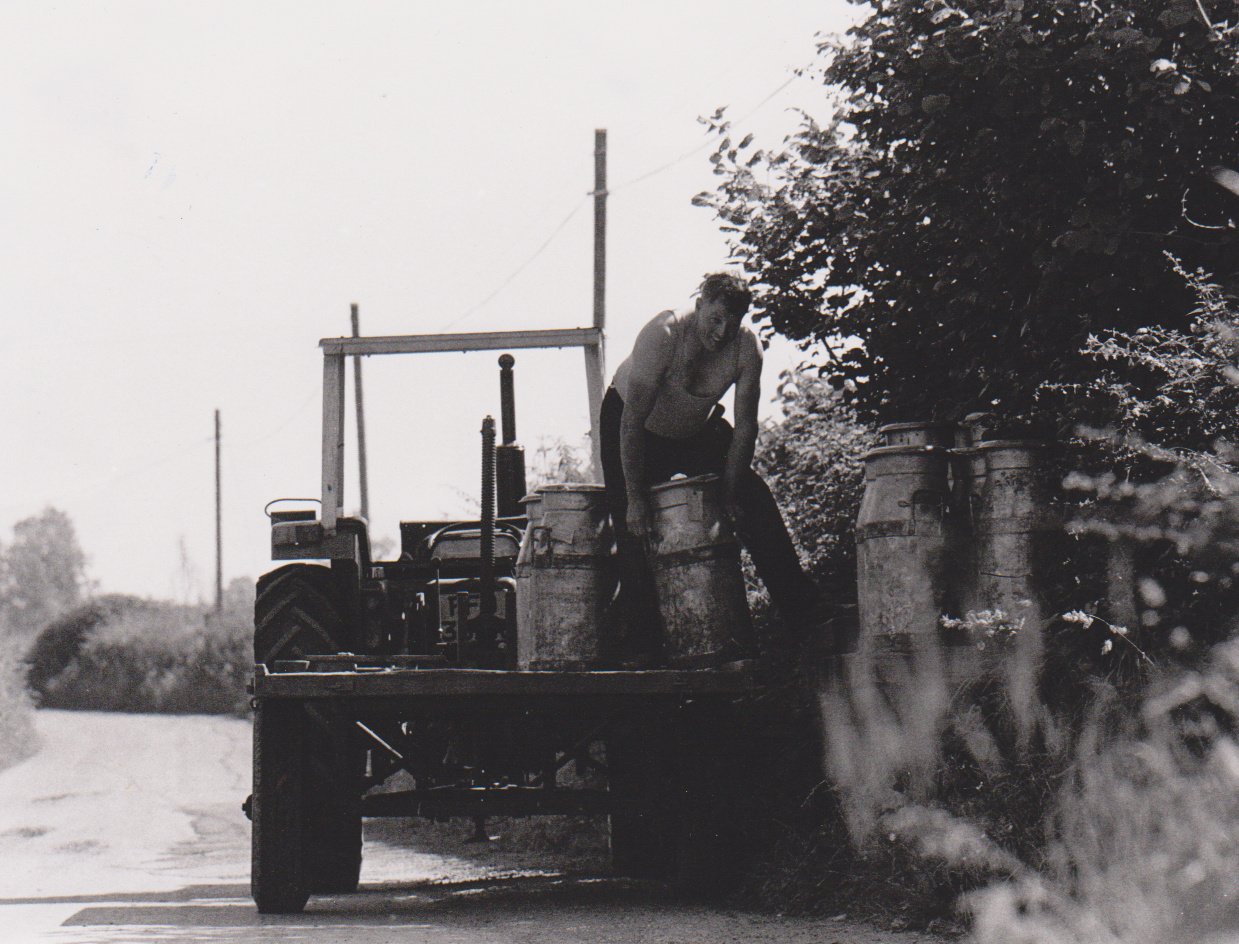
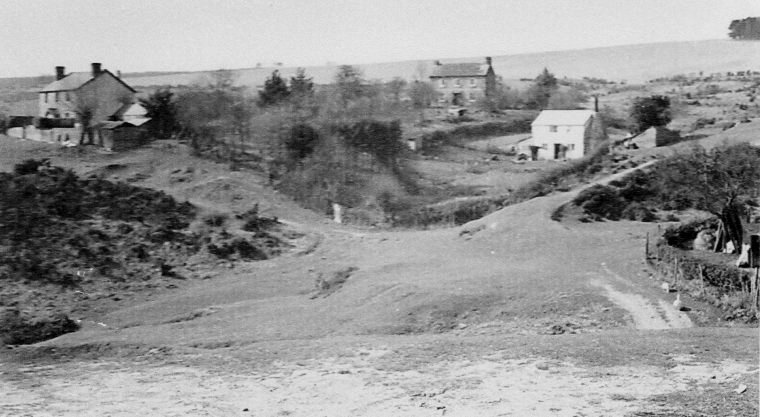
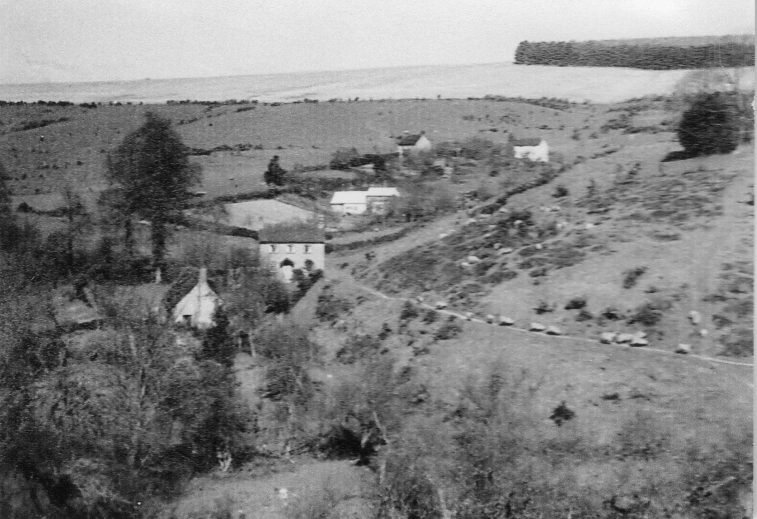
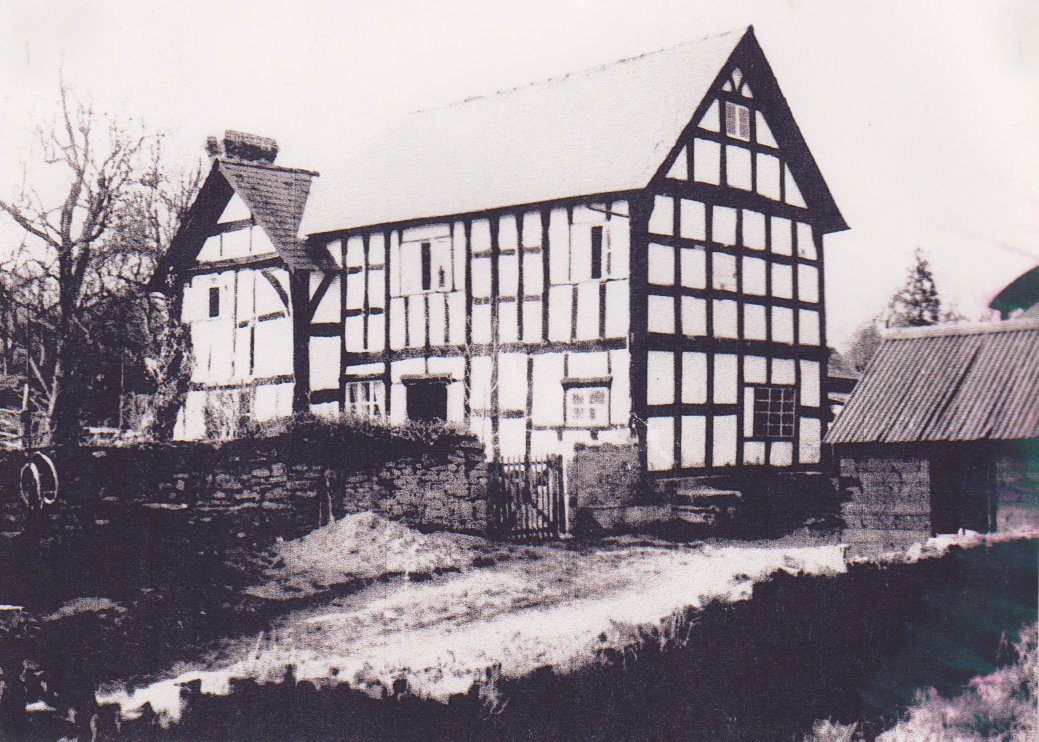
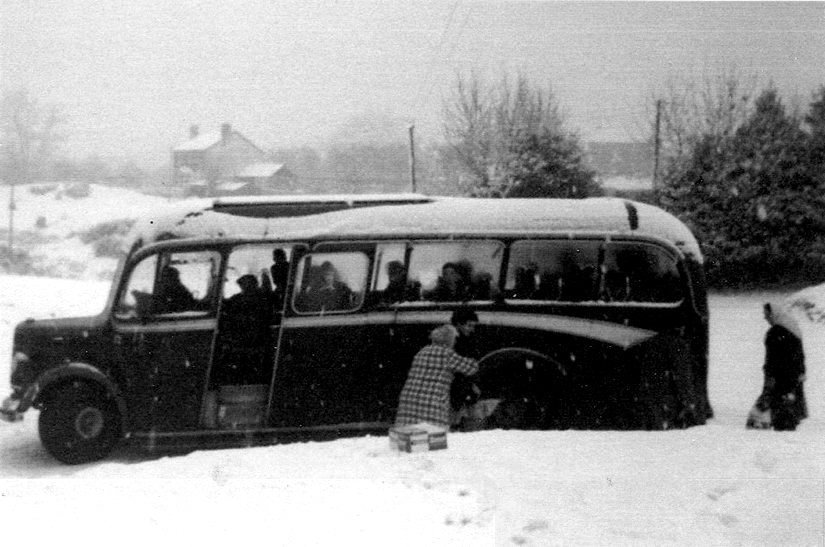
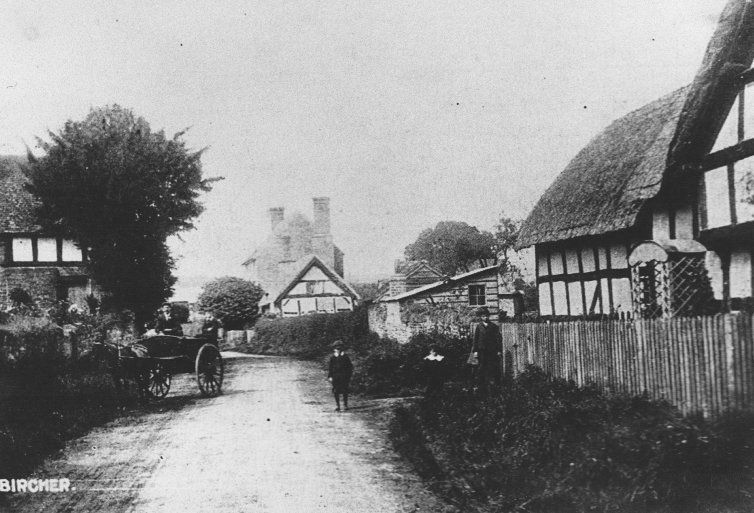
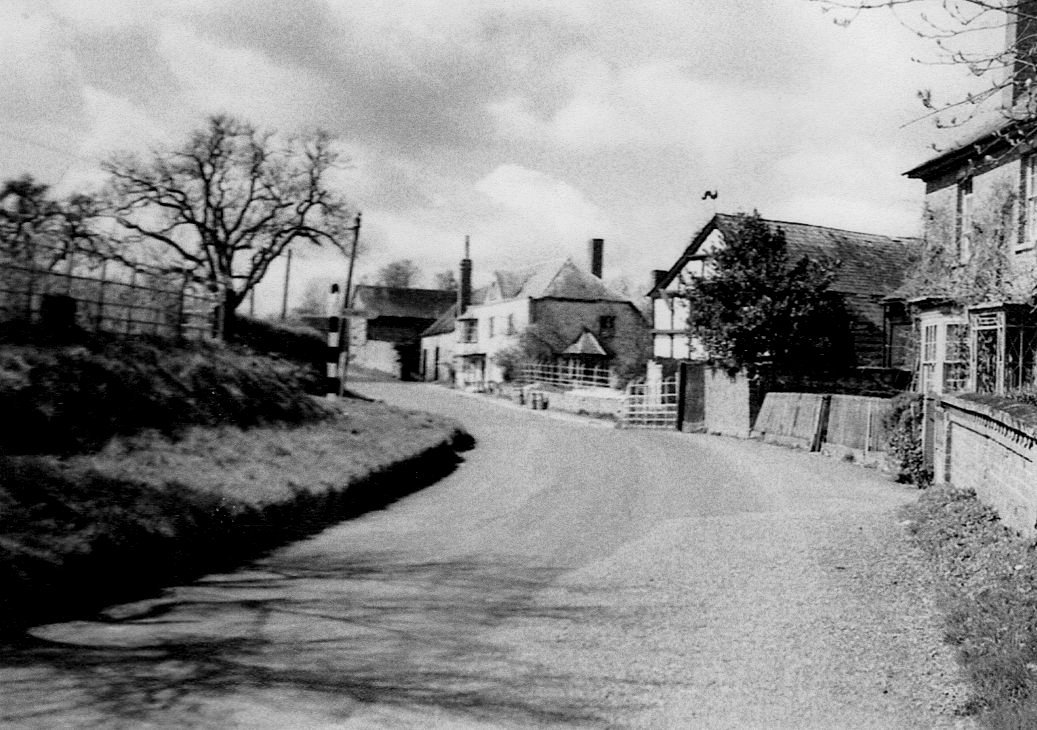
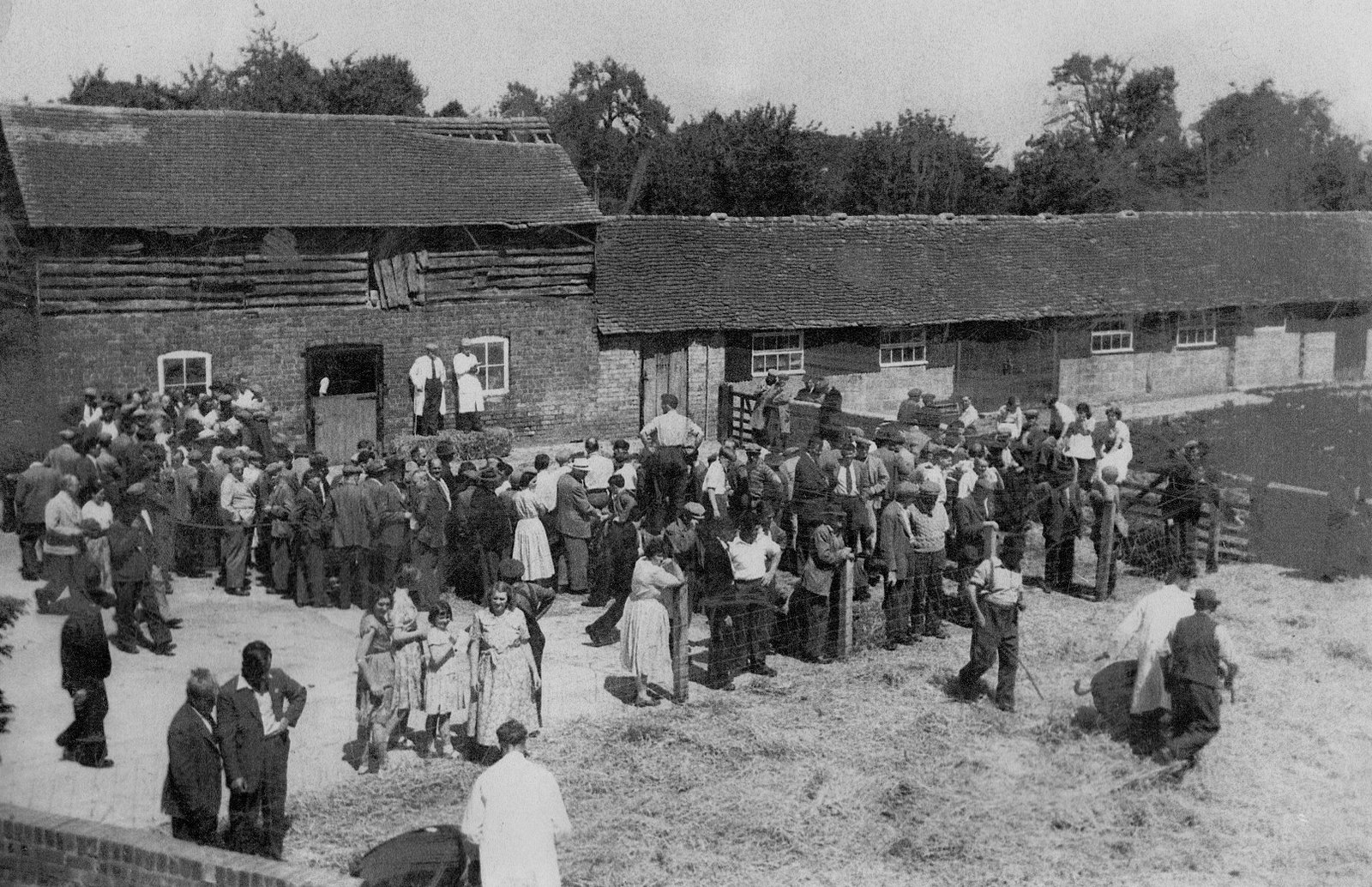
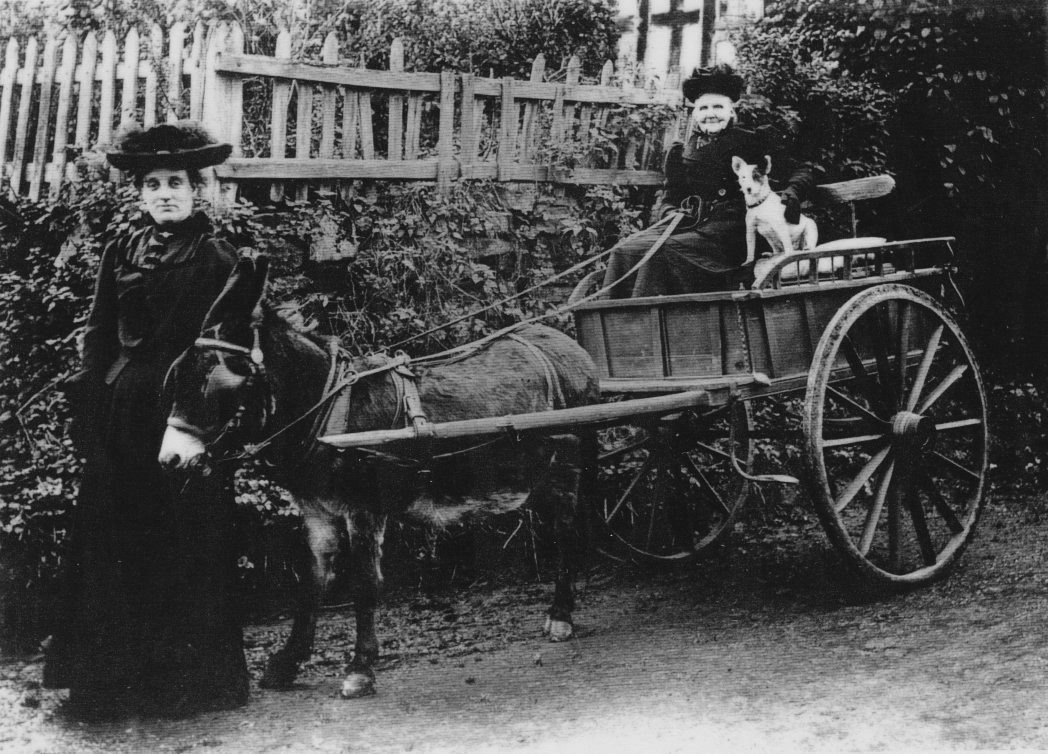
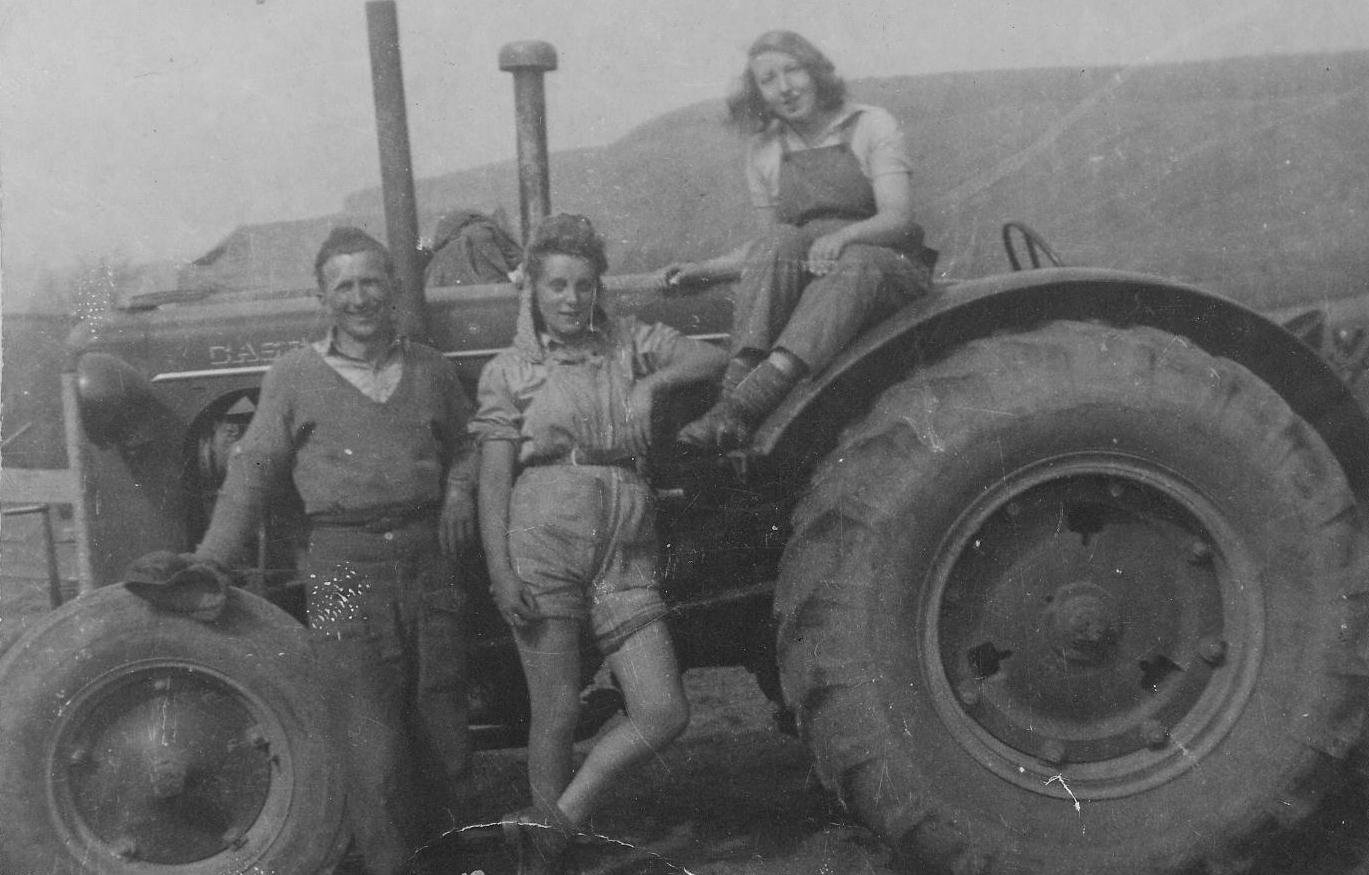
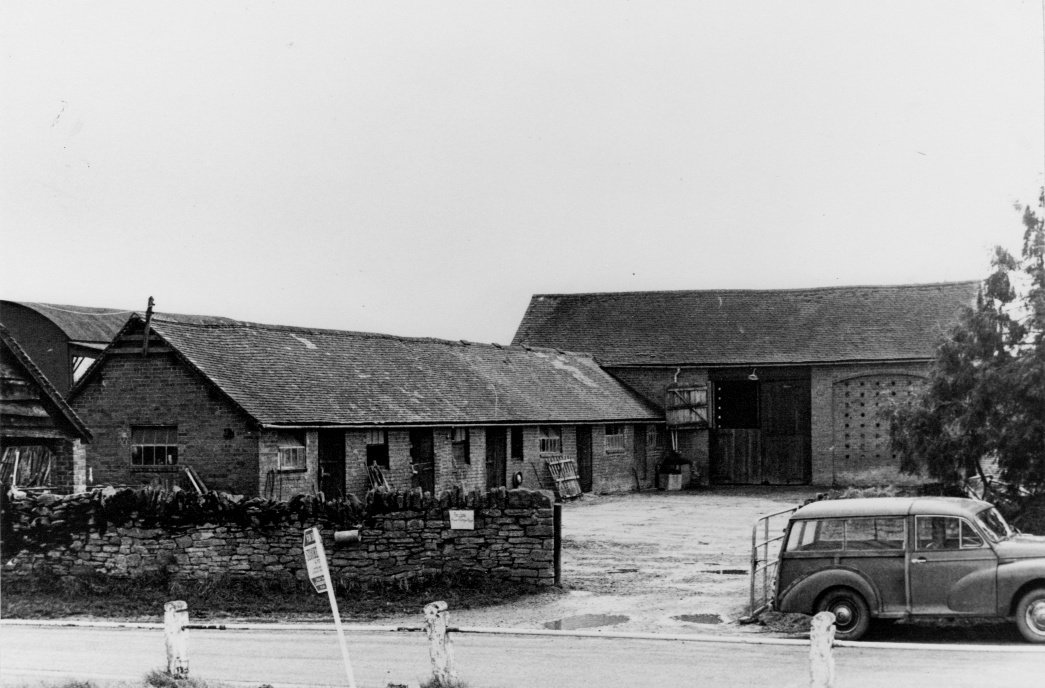
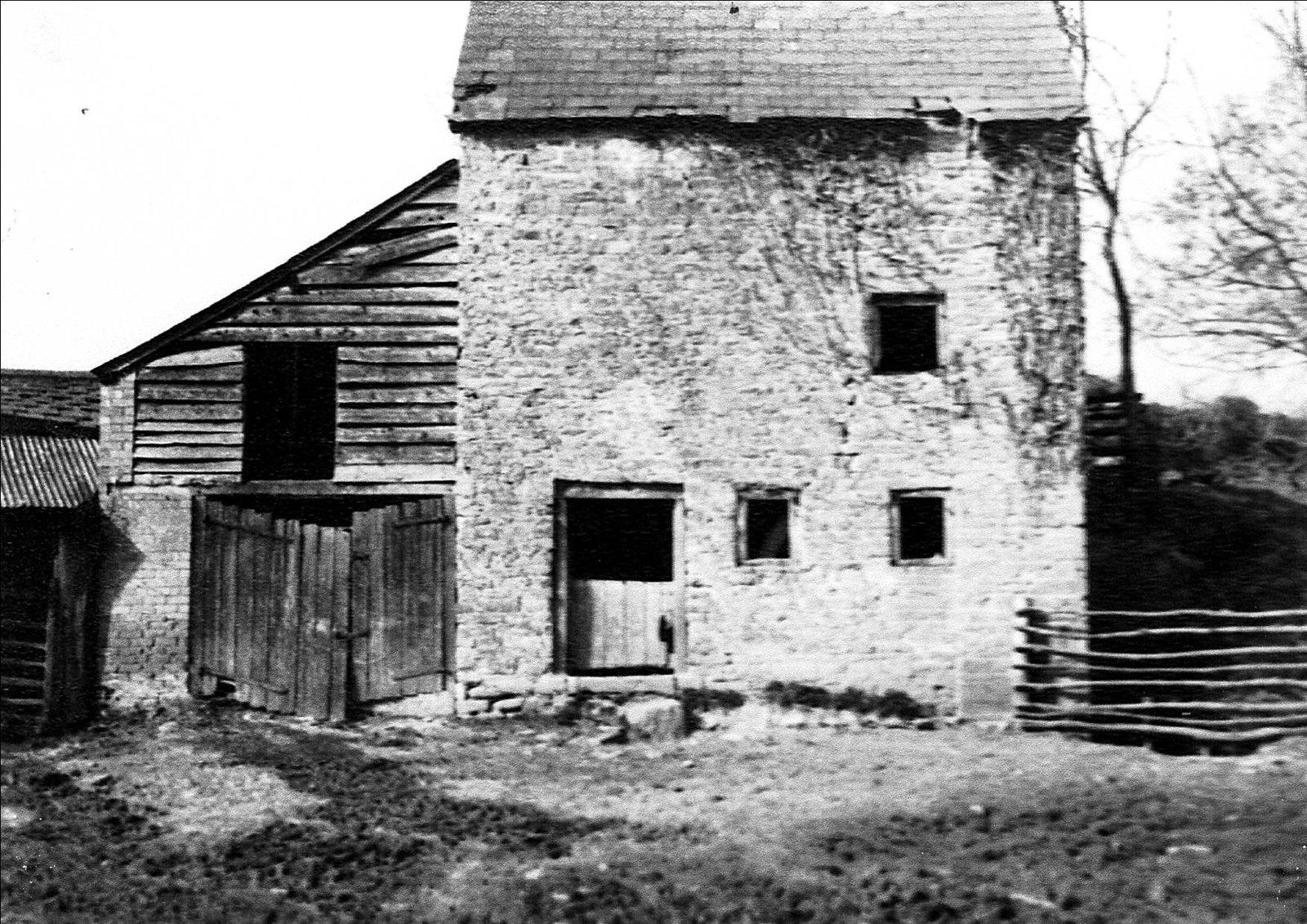
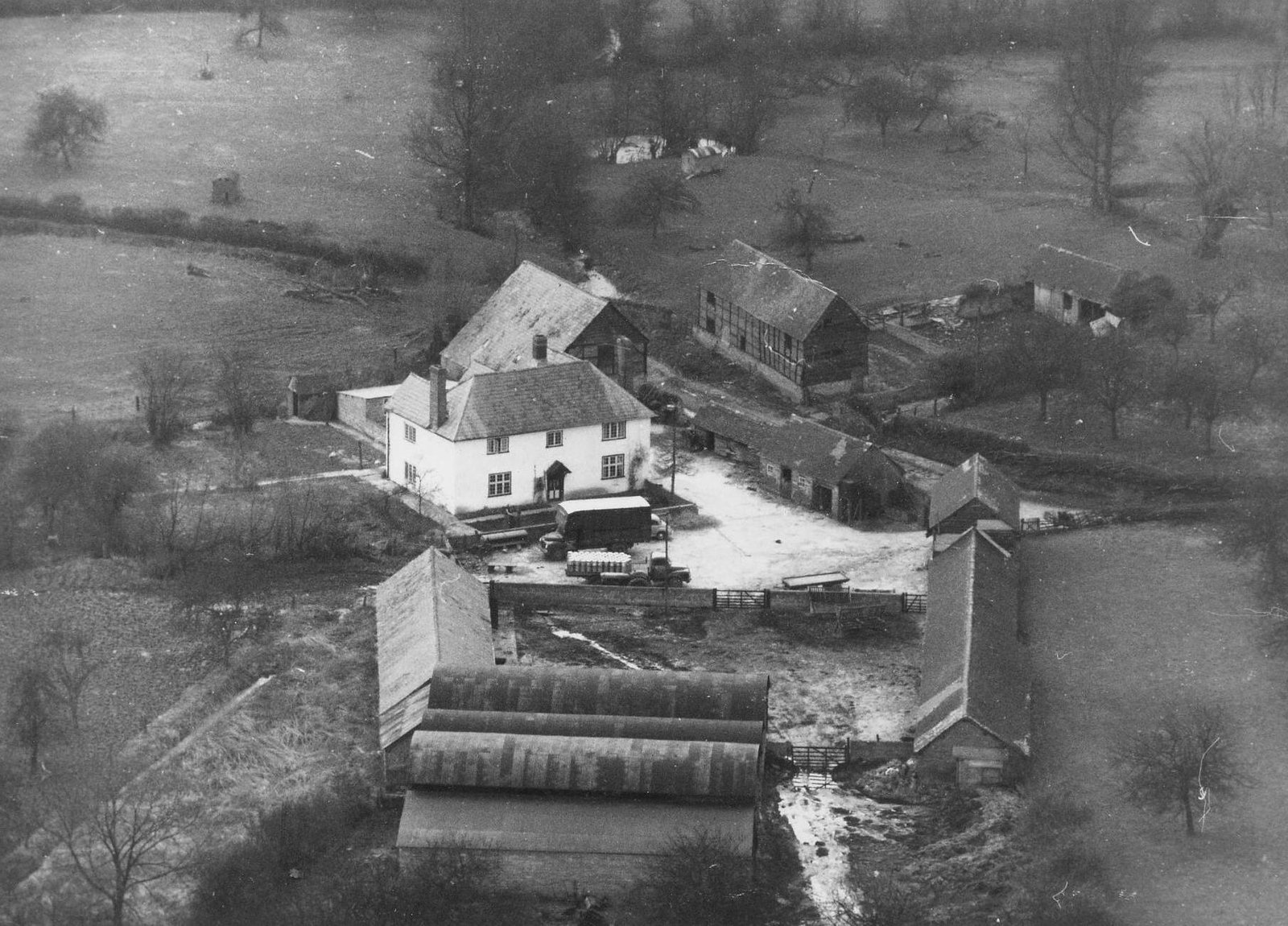
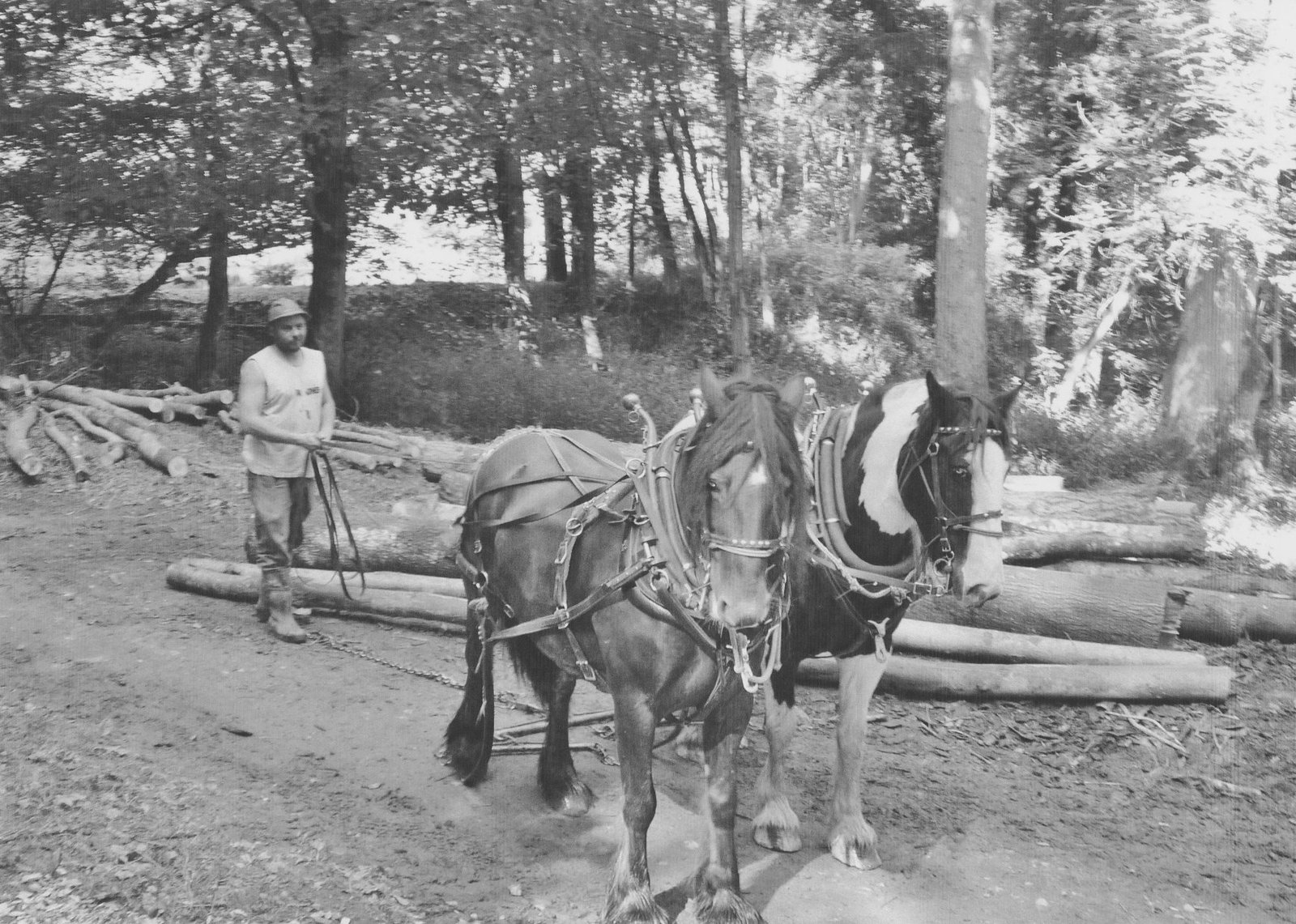
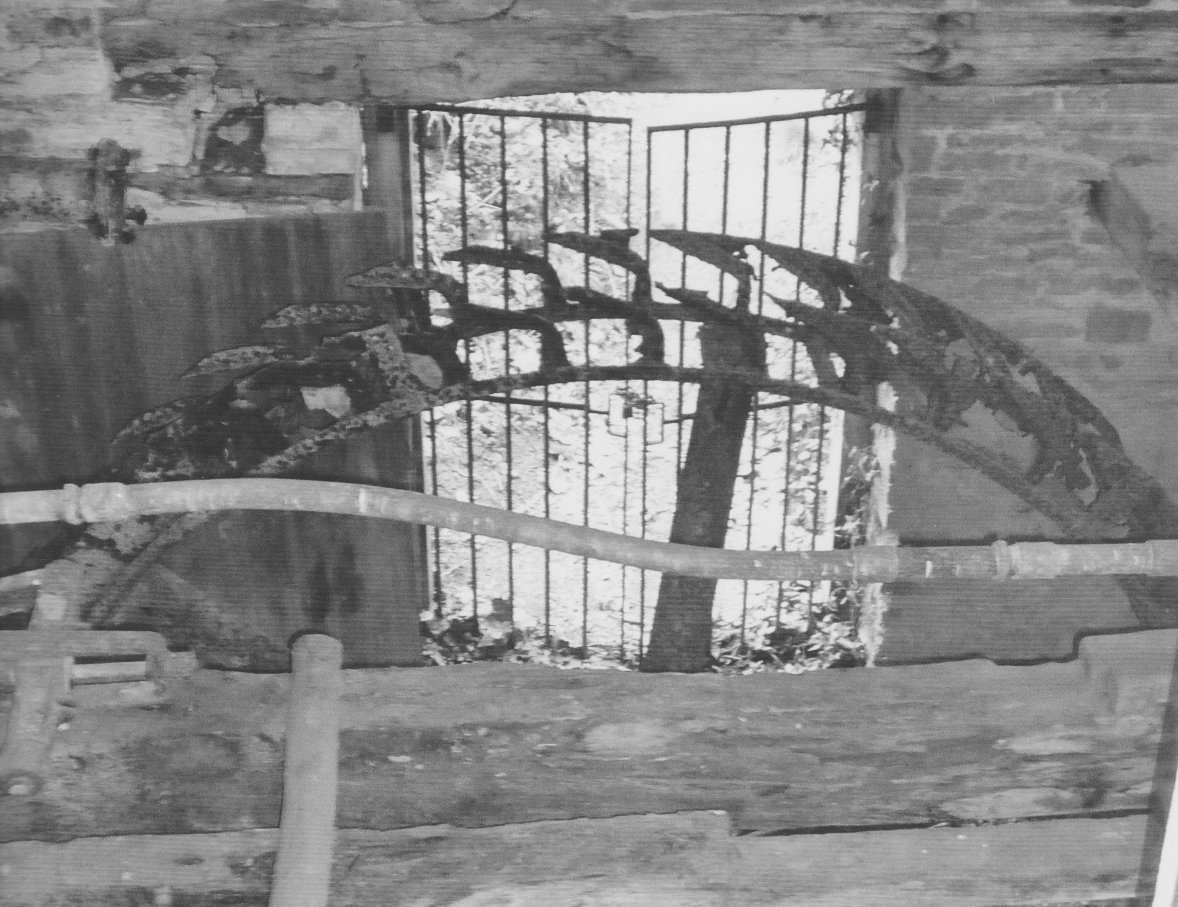
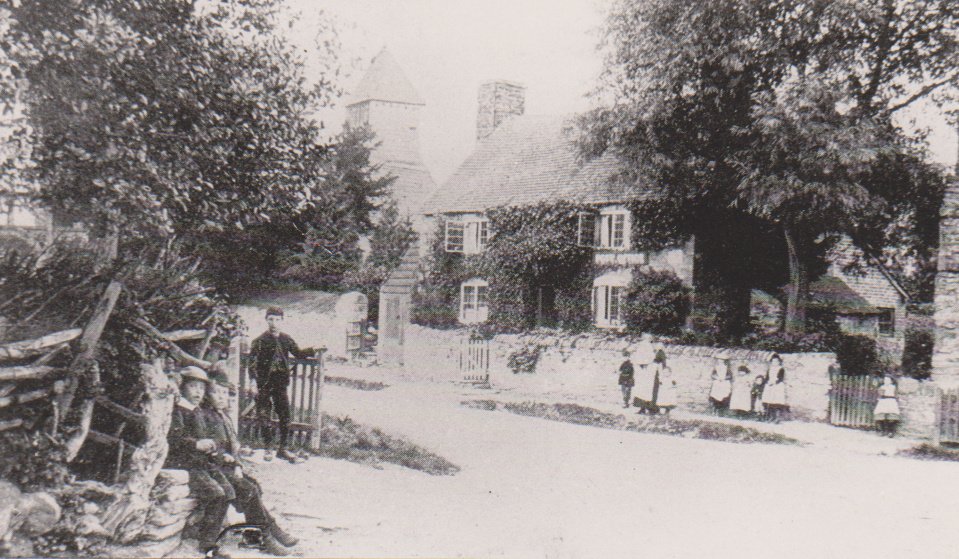
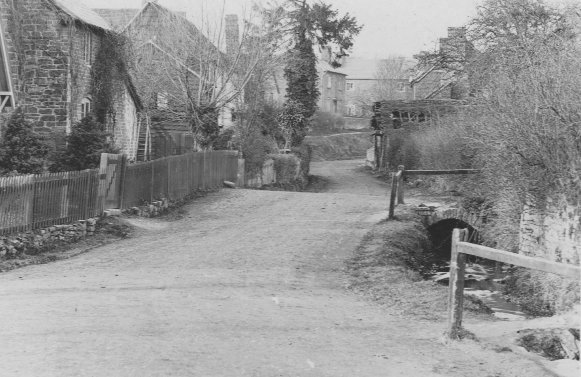
Yarpole, traditionally, relied on farming for it's livelihood. Farming in Herefordshire has always been a mixture of agriculture and livestock. Herefordshire being famous for Herefordshire cattle; exported all over the world. In 2023 the populations reported by 62 countries totalled over seven million head; populations of over 100,000 were reported by Uruguay, Brazil and Chile. During the 1700s, the foundations of the Hereford breed were laid. Local farmers selectively bred cattle to create a robust and fertile animal that could thrive in the region’s climate. The result was a breed characterized by its distinctive red and white colouring and a strong constitution. Hereford's have been in decline locally, due to the faster growth rates of some French breeds, though they are now making a comeback. The quality of the meat being superior. Originally there were four farms in the village which provided the economic base for the village. Sadly, over time, these farms have all disappeared.
The village was important in Anglo Saxon times; the lower half belonging to the Priory in Leominster.
For a small village we are fortunate in having a Community Shop and café; both in St Leonard's Church. A community owned pub and a Parish Hall. All of which rely on volunteers for their operation.
There has been a community recorded here for over 2000 years. The village is mentioned in the Doomsday Book. The Anglo-Saxon meaning of Yarpole (Iarpol or Yarpol) is fish pool or dam for containing fish. The original fish pool has long since been abandoned, the remains of the dam wall are still visible.
Yarpole still retains its red telephone kiosk, its community owned and managed pub, The Bell at Yarpole and has an award winning community run village shop and Post Office operating from within the Parish Church, St Leonard's. The first full time shop in a church.
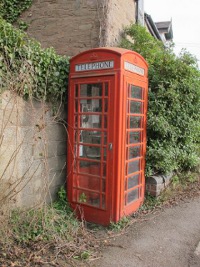
Mobile 'phones don't work here!